

Obstructive Sleep Apnea
What is Obstructive Sleep Apnea?
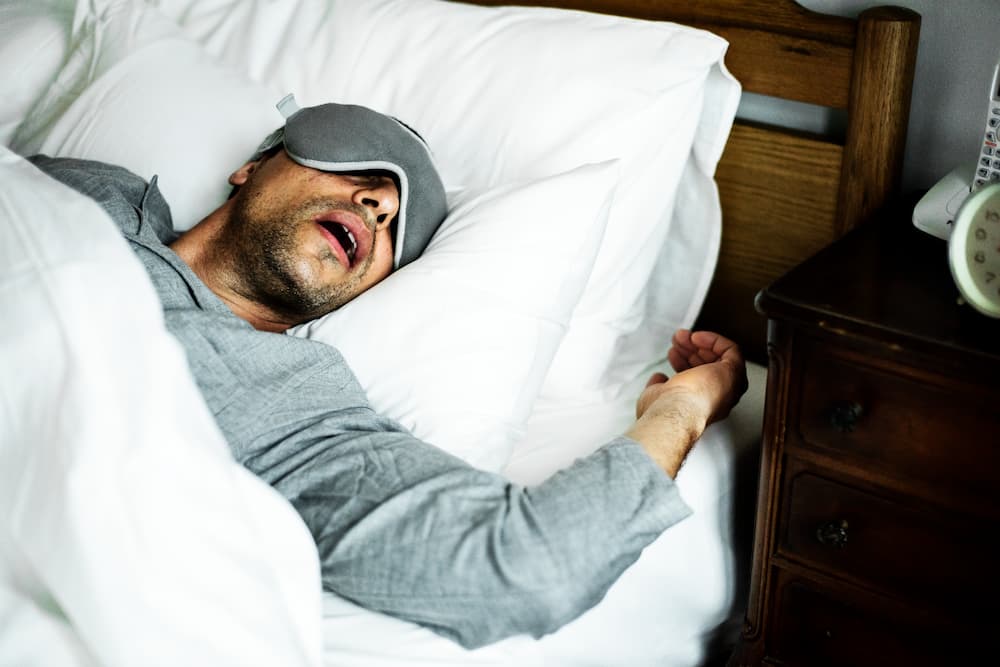
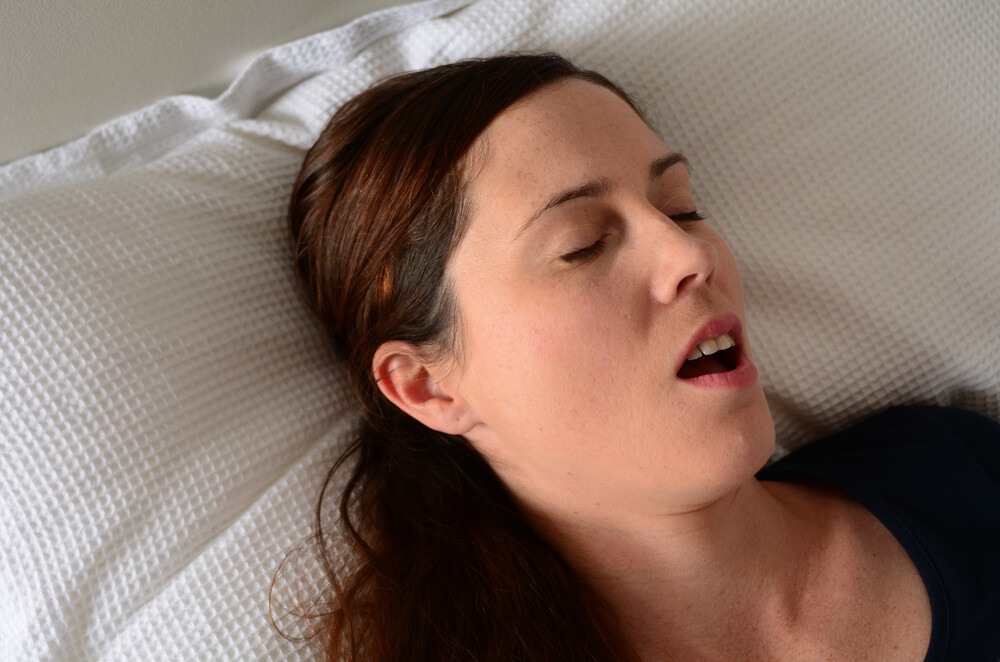
If you find that you are tired before noon, it may be a result of a common sleep disorder related to oral health. Chronic obstructive sleep apnea (OSA) is one of the most prevalent of these conditions, and it can really affect your ability to make it through the day. This condition occurs when your throat tissue becomes softened during your deepest form of slumber, allowing your own body to block your airway.
Sleep apnea can affect more than just your rest, as patients with this sleep disorder are at an increased risk of serious life-threatening complications. Those with sleep apnea experience heart attacks and strokes at a significantly higher rate, so if you are struggling with your rest, take some time to talk with a trusted oral health provider about your options in treatment.
Common Risk Factors For Obstructive Sleep Apnea
Chronic obstructive sleep apnea can occur in patients of all shapes and sizes, but there are certain factors that leave you more at risk of developing this condition. Some of these include:
Your Age And Gender
Those who are over 60 experience OSA at a higher rate. This condition is also found more readily in men, but neither of these mean that you will develop this concern. Likewise, young people and women can also struggle with their sleep due to obstructive sleep apnea.
Your Genetic Predisposition
Some people inherit their sleep apnea risk from their family. If your loved ones also experience this condition, you may be more likely to, as well. For patients who are under the age of 35, your race can also play a role, as African-Americans are more susceptible to OSA.
Your Body Type
Studies have shown that those with more neck mass are at an elevated risk of developing OSA. This can happen due to genetics, as thicker necks tend to create narrower airways. Excess weight due to obesity is another common risk factor in the development of sleep apnea, for a similar reason.
Alcohol And Tobacco Use
Your habits can also play a part in tor likelihood of experiencing OSA. For those who drink alcohol or use prescription sedatives, these can relax the muscles in the throat. This can further soften your throat, increasing the risk of blocking your airway. Smoking or vaping can lead to inflammation of the area, which can further increase your chances of developing sleep apnea symptoms.
An Oral Appliance Helps Keep Your Airway Open
If you receive a diagnosis of OSA at your consultation, then it is time to discuss your options in treatment. With our team, you have the opportunity to improve the level of your sleep quality with the use of an oral appliance. This is a non-surgical option that can help you to keep your treatment a little more comfortable.
An oral appliance helps to treat OSA by gently shifting the position of your jaw. By moving it forward slightly during sleep, you can keep your airway open throughout the night, without the need for a noisy CPAP machine. Talk to our team at McKinney-Graham Dental Arts about whether an oral appliance is your next step in treatment!
Ready For A Better Night Of Sleep?
When you are tired of feeling exhausted before noon, take some time to speak with a trusted oral health professional about treatment for your obstructive sleep apnea. To learn more about OSA or to schedule your consultation, give us a call at McKinney-Graham Dental Arts at (828) 328-5581 today!