

Tooth Extractions | Hickory, NC
Safe, Gentle Solutions for Tooth Removal
At McKinney-Graham Dental Arts, we understand that tooth extractions can be a daunting prospect, but our experienced team is dedicated to making the process as comfortable and stress-free as possible. We prioritize your well-being and strive to provide exceptional care in a warm and welcoming environment.
When is a tooth extraction necessary?
There are several situations where a tooth extraction may be recommended:

Severe Tooth Decay
If a tooth is too damaged by decay to be repaired with a filling or crown, extraction may be the best option.
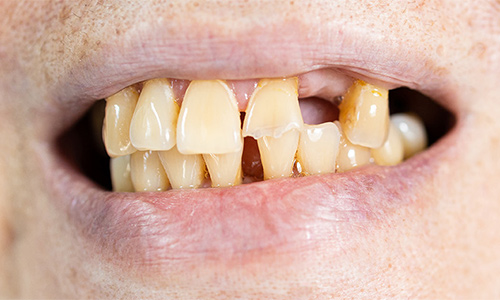
Advanced Gum Disease
Periodontal disease can cause significant bone loss around the teeth, making them loose and potentially requiring extraction.

Impacted Wisdom Teeth
Wisdom teeth that are trapped beneath the gum or positioned in a way that causes pain, infection, or damage to adjacent teeth may need to be removed.
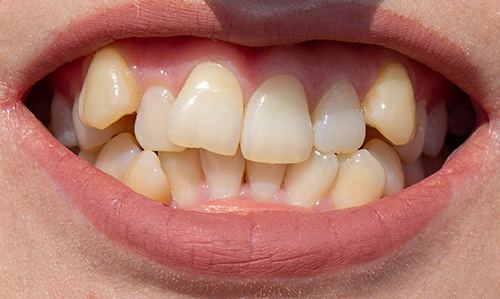
Orthodontic Treatment
In some cases, teeth may need to be extracted to create space for proper alignment during orthodontic treatment.
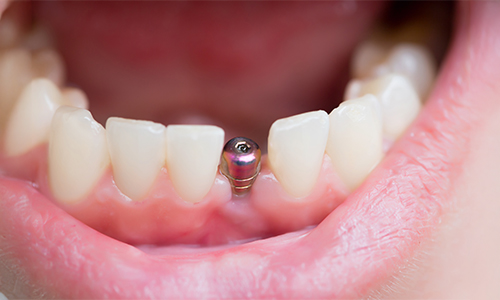
Dental Implant Placement
If a tooth is missing or needs to be removed, an extraction may be necessary before a dental implant can be placed.
Types of Tooth Extractions
Simple Extraction
This procedure is performed on a tooth that is visible in the mouth and can be easily removed. The area around the tooth is numbed with a local anesthetic, and the tooth is gently rocked back and forth until it becomes loose enough to be removed.
Surgical Extraction
This type of extraction is required when a tooth is impacted, broken at the gum line, or has curved roots. It involves making an incision in the gum to access and remove the tooth. In some cases, the tooth may need to be sectioned into smaller pieces for easier removal.

Before and After Tooth Extraction
Before the procedure, our team will thoroughly examine your mouth and take necessary X-rays to assess the situation and plan the extraction. We will also discuss any potential risks or complications and provide you with detailed instructions for pre- and post-operative care.
After the extraction, it is normal to experience some swelling, discomfort, and bleeding. Our team will provide you with specific instructions on how to manage these symptoms and promote proper healing. It is essential to follow these instructions carefully to ensure a smooth recovery.
Frequently Asked Questions
Q: Is a tooth extraction painful?
A: Our team uses advanced techniques and local anesthesia to ensure that the extraction process is as comfortable as possible. You may experience some discomfort after the procedure, but we will provide you with instructions for managing any pain or swelling.
Q: How long does it take to recover from a tooth extraction?
A: Recovery time can vary depending on the type of extraction and your individual healing process. Most patients experience minimal discomfort after a few days, and the extraction site typically heals within a week or two.
Q: Can I replace the extracted tooth?
A: Yes, there are several options for replacing an extracted tooth, such as dental implants, bridges, or partial dentures. Our team will discuss the best solution for your specific needs during your consultation.