
You bite into something crunchy and feel a suspicious twinge. Now you’re Googling with one hand and poking the tooth with the other: crowns vs veneers? If you’re trying to figure out what actually makes sense (and what’s just internet noise), here’s a clear, dentist-style way to think about it.
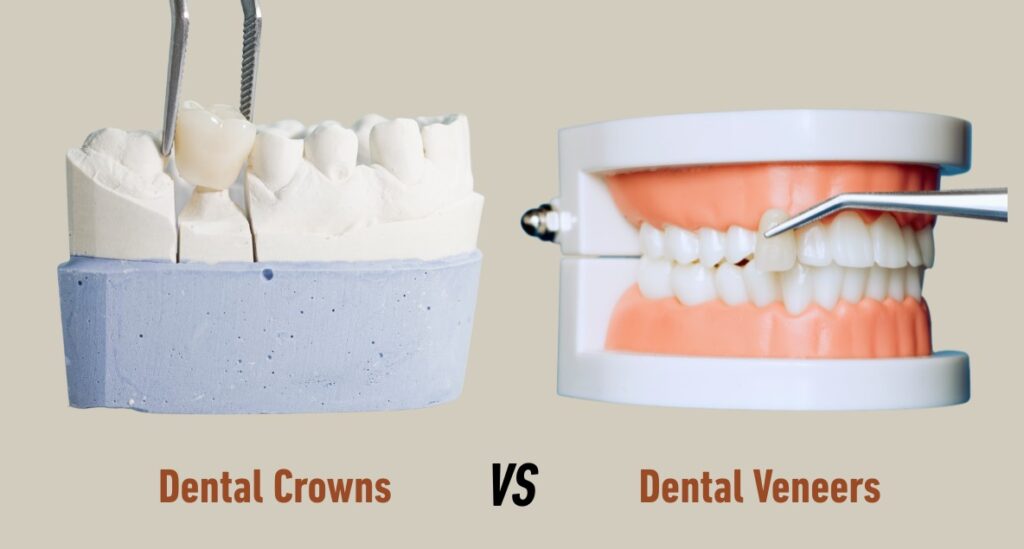
Quick Answer: Crowns vs. Veneers
A crown covers the entire tooth to restore strength and function. A veneer covers the front surface of a tooth to improve appearance when the tooth is otherwise fairly healthy. The best choice depends on how damaged the tooth is, where it sits, and how you bite.
What This Means (Plain English)
Picture your tooth like a house:
- If the structure is compromised (cracks, big break, not much tooth left), you usually need a crown—something that wraps around and reinforces the whole “house.”
- If the structure is solid but the front looks tired (stains, small chips, shape issues), a veneer may be enough—a thin custom shell that improves the “curb appeal.”
Crown or Veneer? A Simple Decision Guide
This is a starting point—not a diagnosis—but it can help you walk into your appointment with confidence.
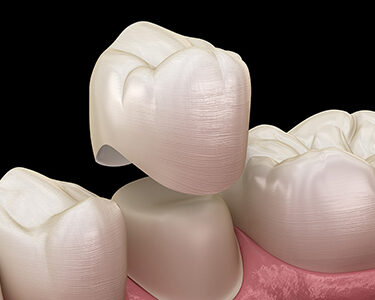
A crown may make more sense if you have:
- A tooth with a large filling or significant damage
- A crack/break, or a tooth that feels weak when chewing
- A tooth that’s had a root canal (often needs protection afterward)
- A back tooth that takes heavy bite forces
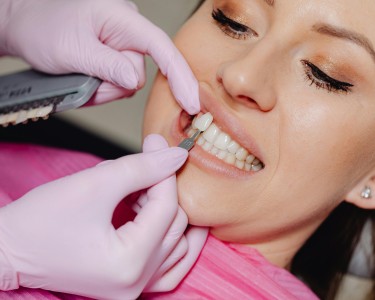
A veneer may make more sense if you have:
- Cosmetic concerns on a front tooth (shape, minor chips, small gaps)
- Staining that doesn’t respond well to whitening
- Slightly uneven teeth you want to “visually” straighten
Myth vs. Fact (Because the Internet Is Loud)
- Myth: “Veneers are harmless because they’re thin.”
Fact: Veneers are a permanent change—some enamel is usually removed so the veneer can fit naturally. - Myth: “Crowns last forever.”
Fact: Crowns can last many years, but they can still wear, chip, leak at the edges, or need replacement over time. - Real talk: If you clench or grind, veneers may chip or debond more easily unless that habit is managed (often with a nightguard).
What to Expect (Either Way)
Most crown or veneer treatment includes:
- Exam + X-rays to check for decay, cracks, and gum health
- Tooth shaping so the restoration fits properly
- A digital scan or impression
- A temporary in many cases
Final placement at a later visit (or sometimes same day, depending on the office and material)
You may have short-term sensitivity afterward, and your bite might need a tiny adjustment. Keep brushing, flossing, and getting regular cleanings—restorations don’t get cavities, but the tooth edges around them still can.
When to Call ASAP
Call your dentist urgently (or seek emergency care) if you have:
- Facial swelling, fever, or trouble swallowing/breathing
- Severe, worsening pain (especially if it keeps you from sleeping)
- Trauma with a cracked/broken tooth, bleeding, or visible “pink/red” tissue
- Pus, a bad taste, or a pimple-like bump on the gum
- A temporary crown/veneer that falls off and the tooth is painful or sharp
- A sudden “wrong bite” that causes sharp pain when you close
Bottom Line
If your tooth needs protection, a crown is often the sturdier choice. If the tooth is healthy but the look is bothering you, a veneer can be a clean, natural-looking upgrade.One more safety note: choose a licensed dentist. This article is general education and can’t diagnose your tooth—your dentist can. The ADA has warned the public about unlicensed “veneer techs” and similar providers, because altering teeth without proper supervision can cause irreversible harm.
FAQs
Do crowns and veneers “hurt”?
Most people do fine with local anesthesia. You may have temporary sensitivity afterward, and your bite might need a small adjustment.
Will insurance cover it?
Crowns are more often covered when needed for function (like protecting a damaged tooth). Veneers are more often considered cosmetic, but coverage varies—ask your dental team to check your benefits.
How do I make them last longer?
Brush and floss consistently, keep regular cleanings, and avoid chewing ice or using teeth as tools. If you grind, a nightguard may protect both teeth and restorations.
Disclaimer
This information is general education and can’t diagnose your tooth. A dental exam and X-rays are the safest way to determine whether a crown or veneer is the right fit. Schedule an evaluation with McKinney + Graham to get a straightforward recommendation, a personalized plan, and answers to your questions—no guesswork.