

Why Safe Teeth Whitening Matters This Spring
April has a funny way of sneaking up on your smile. One week it’s chilly mornings and hot coffee, and the next it’s spring sunshine, wedding invites, graduation plans, and photos that somehow feel higher definition than last year. If you’re noticing winter stains (hello, coffee/tea and comfort-food season) and thinking about safe teeth whitening, you’re not alone.
The good news: whitening can be safe and effective. The not-so-fun part: sensitivity (“zingers”) and uneven results are common when people skip the basics or overdo it. Here’s the realistic, dentist-approved way to brighten your smile—without turning April into sensitivity season.
The Quick Answer
Whitening can be a great refresh, but it works best when you treat it like a plan—not a last-minute hack.
If you want a brighter smile and you want to avoid sharp sensitivity or patchy shade, the best approach is:
- make sure teeth and gums are healthy first
- choose the right whitening method for your situation
- space treatments appropriately
- stop if pain lingers (and get evaluated)
A well-crafted result should look natural, feel comfortable, and still make sense weeks later—not just for one weekend.
What safe teeth whitening can and can’t change
Whitening products can lighten natural enamel. That’s the part of your tooth you were born with.
But whitening does not change the color of:
- crowns
- veneers
- tooth-colored bonding or fillings
That matters because April is when people start thinking, “I want everything brighter.” If you have dental work on a front tooth, whitening can make your natural teeth lighter while that restoration stays the same shade—creating a mismatch that only shows up once the smile is really bright.
If you have existing dental work (or you’re considering veneers/bonding later), it’s worth getting guidance first so your smile looks cohesive—not “one tooth didn’t get the memo.”
Why winter is “sensitivity season” (and why it can carry into April)
Even in April, we still get cold mornings. Pair that with hot coffee, iced drinks later in the day, and dry air (plus spring allergies and mouth-breathing), and sensitivity can stack up.
- exposed roots from gum recession
- worn enamel from clenching/grinding
- tiny cracks
- untreated cavities
- inflamed gums
Whitening doesn’t cause these issues—but it can make them feel louder. If your teeth already complain when you breathe in cold air, whitening is a “check first” situation.
OTC Strips vs. Professional Whitening
There’s no one right answer here—it depends on your teeth, your goals, and your sensitivity history.
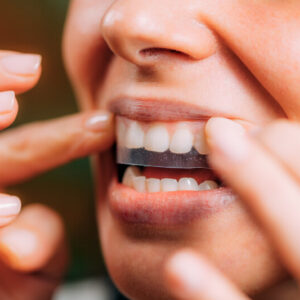
OTC strips/trays can be best for:
- mild staining
- patients who don’t have sensitivity
- people who can follow directions carefully and avoid overuse
The downsides: “one size fits most” can mean uneven coverage, gel on the gums, and more sensitivity—especially if you stack treatments because you want faster results.
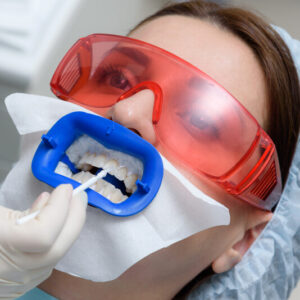
Professional whitening can be best for:
- stronger stain that needs a more controlled plan
- patients prone to sensitivity
- anyone with dental work in visible areas who wants a uniform look
- people who want guidance so they don’t accidentally overdo it
If you’re unsure which lane you’re in, that’s exactly what a whitening consult is for.
How to reduce sensitivity (safe, general tips)
If you’re whitening and you want to keep your teeth comfortable, these habits help:
- Shorter sessions: more isn’t always better
- Space treatments out: give teeth time to calm down
- Use sensitivity toothpaste: start before whitening and continue during
- Avoid “doubling up”: don’t stack strips + strong toothpaste + frequent sessions
- Pause if pain lingers: “zingers” that last hours to days mean slow down and get guidance
Important note: sharp, persistent pain should never be ignored. That’s not a “power through” moment—that’s a “get evaluated” moment.
When to see a dentist before whitening
Before you whiten, schedule an exam if you have:
- sensitivity that’s already noticeable
- gum recession or frequent gum bleeding
- a chipped/cracked tooth
- lingering pain when you bite or drink cold
- lots of older fillings or dental work in your front teeth
Whitening works best when the foundation is healthy. Otherwise, it can backfire—either by increasing discomfort or by creating uneven shade you weren’t expecting.
What to expect from a whitening consult
A whitening consult isn’t a lecture. It’s a clarity appointment.
Typically, we’ll talk through:
- your shade goals (subtle brightening vs. bigger change)
- your sensitivity history
- whether you have crowns/veneers/bonding in the smile zone
- an exam to rule out issues that could make whitening uncomfortable
- a plan that avoids surprises (and keeps results looking natural)
That way, you’re not guessing in the mirror—you’re moving forward with a plan.