

Fast Fix for Chips & Gaps (Bonding vs Veneers)
Spring has a way of turning on the lights—brighter mornings, more time outside, and suddenly every photo feels like a close-up. If you’ve been noticing a small chip, a tiny gap, or uneven edges on your front teeth, tooth bonding can be one of the simplest ways to refresh your smile without making it a whole “project.”
Bonding is popular for a reason: it can look natural, feel comfortable, and in many cases, it’s done in a single visit. The key is knowing when bonding is the right choice—and when another option will give you a better long-term result.
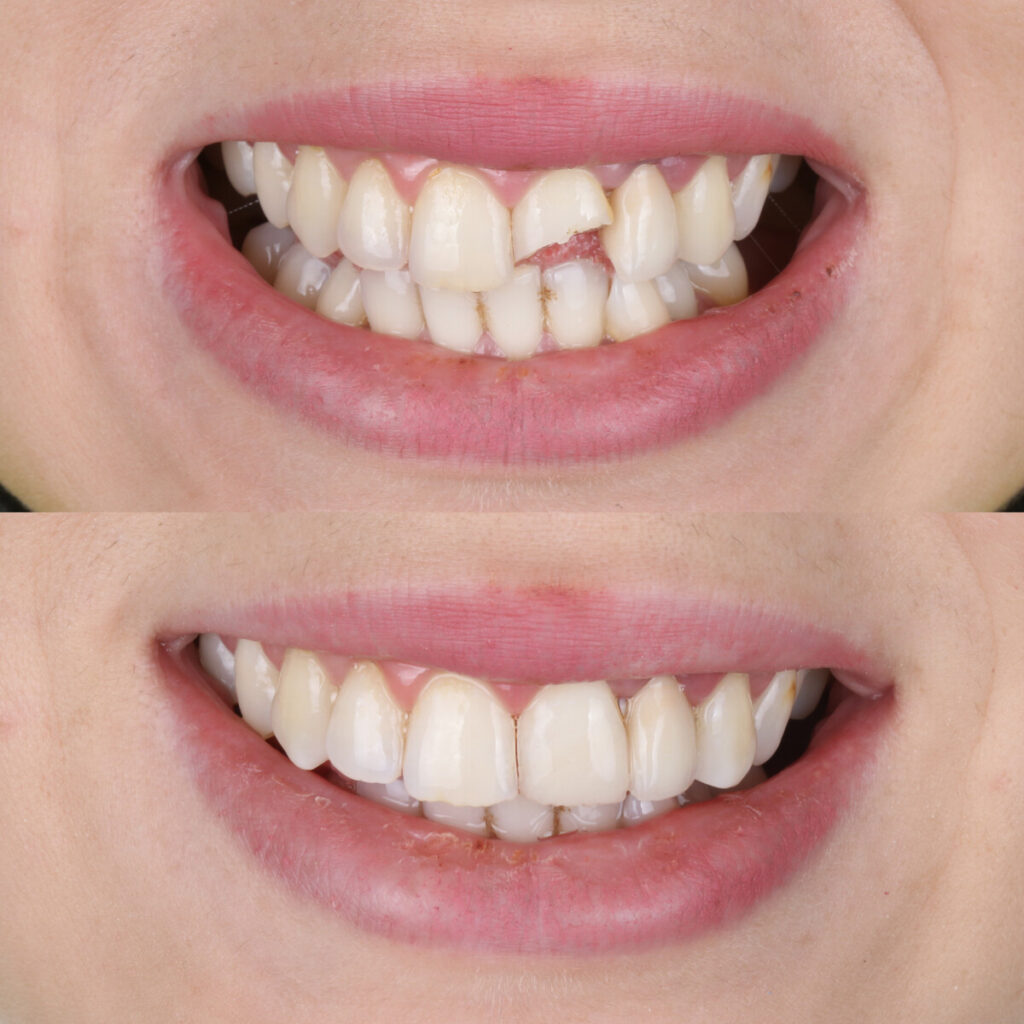
Quick answer: when bonding is the right move
Dental bonding is often a great fit when you want to fix:
- a small chip on a front tooth
- minor spacing (a “pinch” gap)
- uneven edges that make teeth look different lengths
- a tooth that looks slightly misshapen compared to the others
If you’re looking for a subtle “polished” upgrade, bonding can be a very well-crafted solution.
Bonding vs veneers: what’s different (and why it matters)
Bonding uses a tooth-colored resin that’s shaped directly on your tooth, then hardened and polished. It’s a bit like a custom sculpting and detailing session for your smile.
Veneers are thin, custom shells (often porcelain) designed for bigger changes—like improving symmetry across multiple teeth, covering deep discoloration, or creating a more dramatic transformation.
A simple way to think about it:
- Bonding = best for small fixes and targeted improvements
- Veneers = best for bigger visual changes or multiple teeth at once
The goal isn’t to “sell” one option—it’s to choose the one that fits your teeth, your bite, and your goals.
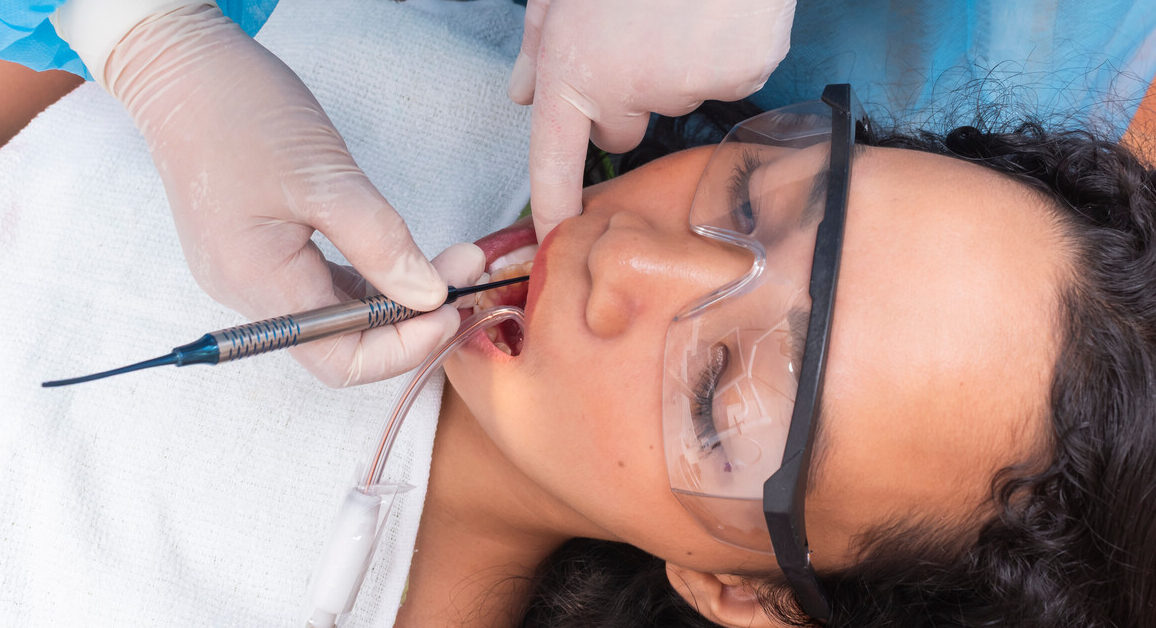
What to expect at a bonding visit
If bonding is appropriate for your tooth, the appointment is typically straightforward:
- We evaluate your tooth and discuss the look you want (subtle, natural, more symmetrical, etc.).
- We match the bonding material to your natural tooth shade.
- The surface is prepared so the material bonds securely.
- The resin is shaped and smoothed carefully—this is where artistry matters.
- It’s hardened and polished so it blends with the surrounding teeth.
Most patients are surprised by how “easy” bonding feels. If you’re anxious, tell us—comfort matters.
How long bonding lasts (and what shortens its lifespan)
Bonding can last for years, but it’s not invincible. Things that can shorten its lifespan include:
- biting ice or hard candy
- using teeth as tools (opening packages, biting tags)
- nail biting
- clenching/grinding
- frequent staining drinks (coffee, tea, red wine)
If you grind your teeth, a night guard can help protect bonding and any other dental work.
When bonding isn’t the best next step
Bonding may not be ideal if:
- the tooth is significantly cracked or weakened
- you want a major color change (bonding won’t whiten the way enamel can)
- you need bite correction or tooth movement (Invisalign may come first)
This is where an exam matters. What looks like a “tiny chip” can sometimes be a bite issue that keeps repeating until it’s addressed.

Ready for a spring smile refresh?
A great cosmetic result should look natural—like you, just more confident. If you’re curious whether bonding or veneers is the better fit, schedule a cosmetic evaluation at McKinney-Graham Dental Arts. We’ll talk through options, answer questions clearly, and help you choose the path that makes sense for your smile.
This article is general information, not personal dental advice. For a recommendation tailored to you, you’ll need an in-person exam.