

Invisalign vs Whitening vs Veneers—What Order Works Best?
July is reunion season. Beach trips, cookouts, weddings, and that moment when someone says, “Let’s get a picture!” and you suddenly remember exactly what you want to change about your smile.
Here’s the truth: the best “smile upgrade” usually isn’t one treatment—it’s a smart sequence. And when the order is right, results look more natural, feel more comfortable, and tend to last better.
If you’ve been juggling options like Invisalign, whitening, bonding, veneers, or even implants, this roadmap will help you understand the usual plan—plus when your plan might be different.
Quick answer: the “usual” order (with a big caveat)
Many cosmetic plans follow a pattern like this:
- Straighten (Invisalign) if alignment is an issue
- Brighten (whitening) if you want a lighter shade
- Refine (bonding or veneers) for shape, symmetry, and finishing touches
The caveat: your tooth health, bite, and existing dental work can change the sequence. That’s why an exam matters.
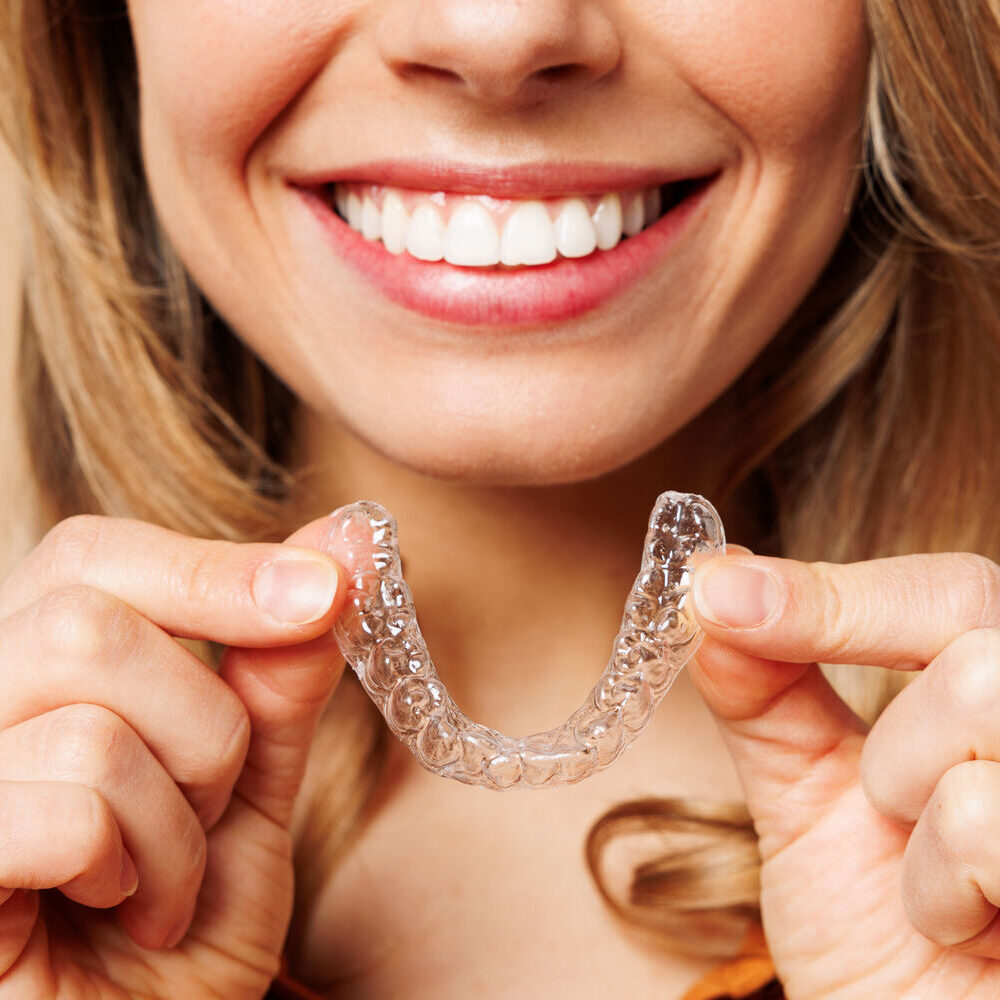
Step 1: When Invisalign should come first
If teeth are crowded, rotated, or spaced in a way that affects the final look, Invisalign often comes first because it:
- improves alignment in a conservative way
- helps cosmetic work look more symmetrical
- can reduce how much reshaping is needed later
Think of Invisalign as “setting the foundation.” A well-crafted finish starts with strong structure.
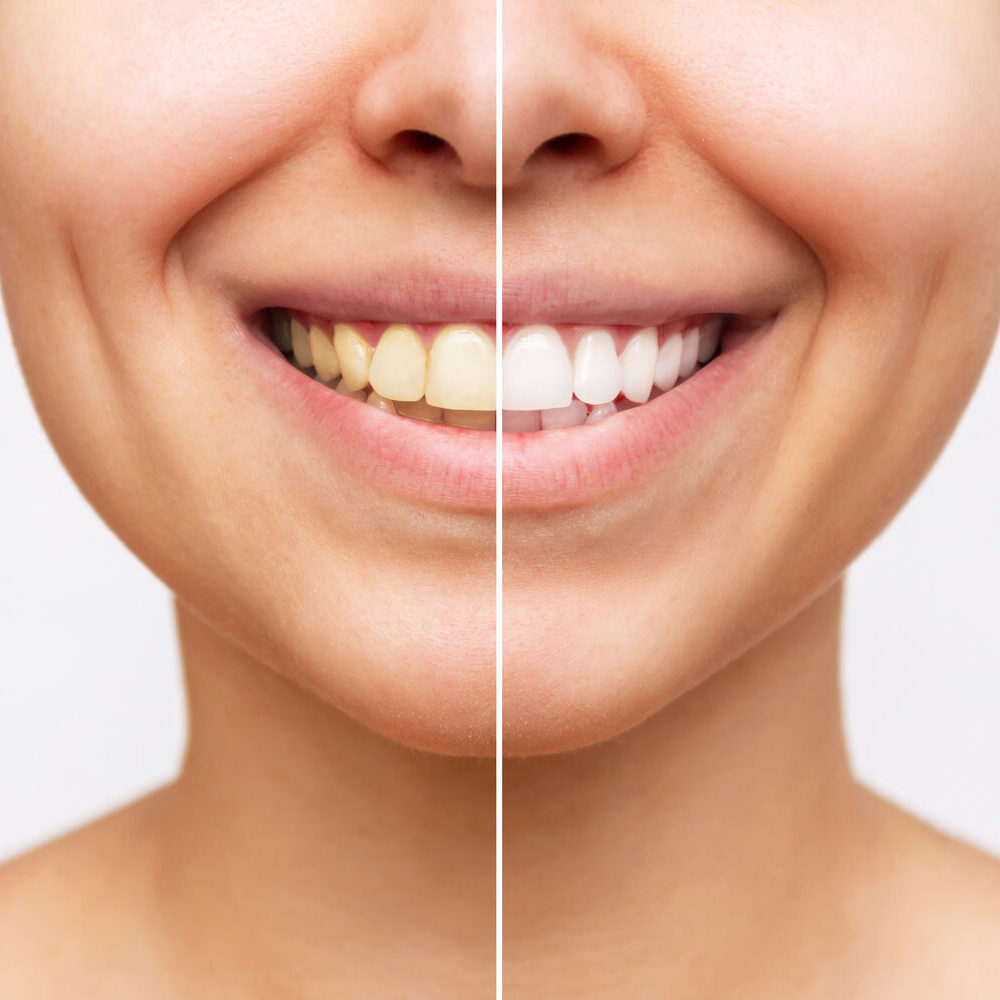
Step 2: Where whitening fits (and why timing matters)
Whitening changes natural enamel—it does not change crowns, veneers, or bonding. That’s why whitening is often done before final cosmetic restorations. If you whiten after, your natural teeth may change shade while restorations stay the same, creating an uneven look.
If you already have restorations in the front, we’ll talk through the best approach so your smile stays cohesive.

Step 3: Bonding vs veneers for the finishing touches
This is where smiles get polished.
Bonding is often ideal for small chips, tiny gaps, or slight reshaping. It’s a great “final detail” treatment.
Veneers may be better when you want bigger changes—improving symmetry across multiple teeth, correcting deeper discoloration, or creating a more dramatic transformation.
Either way, the goal isn’t a cookie-cutter smile. It’s a smile that looks like you—just more confident.

Where implants fit into a smile roadmap
If you’re missing a tooth, implants may be part of the plan. That can affect spacing decisions and the final design. Teeth can be aligned around a missing space, and the implant restoration is planned to match the final look.
Because implants don’t move like natural teeth, planning matters even more. We want the final result to look intentional and feel stable.
What to expect at a “smile roadmap” consultation
A roadmap consult is about clarity. We’ll evaluate:
- alignment and bite
- gum health and stability
- shade goals
- existing dental work
- what you like (and don’t like) about your smile
Then we’ll recommend a plan that fits your goals and keeps things looking natural.
Ready for a well-crafted plan?
You don’t have to guess. If you’re considering Invisalign, whitening, bonding, veneers, or implants, schedule a consultation at McKinney-Graham Dental Arts. We’ll help you sort through options and build a plan that makes sense for your smile.
This article is general information only. For personalized recommendations, you’ll need an exam.