
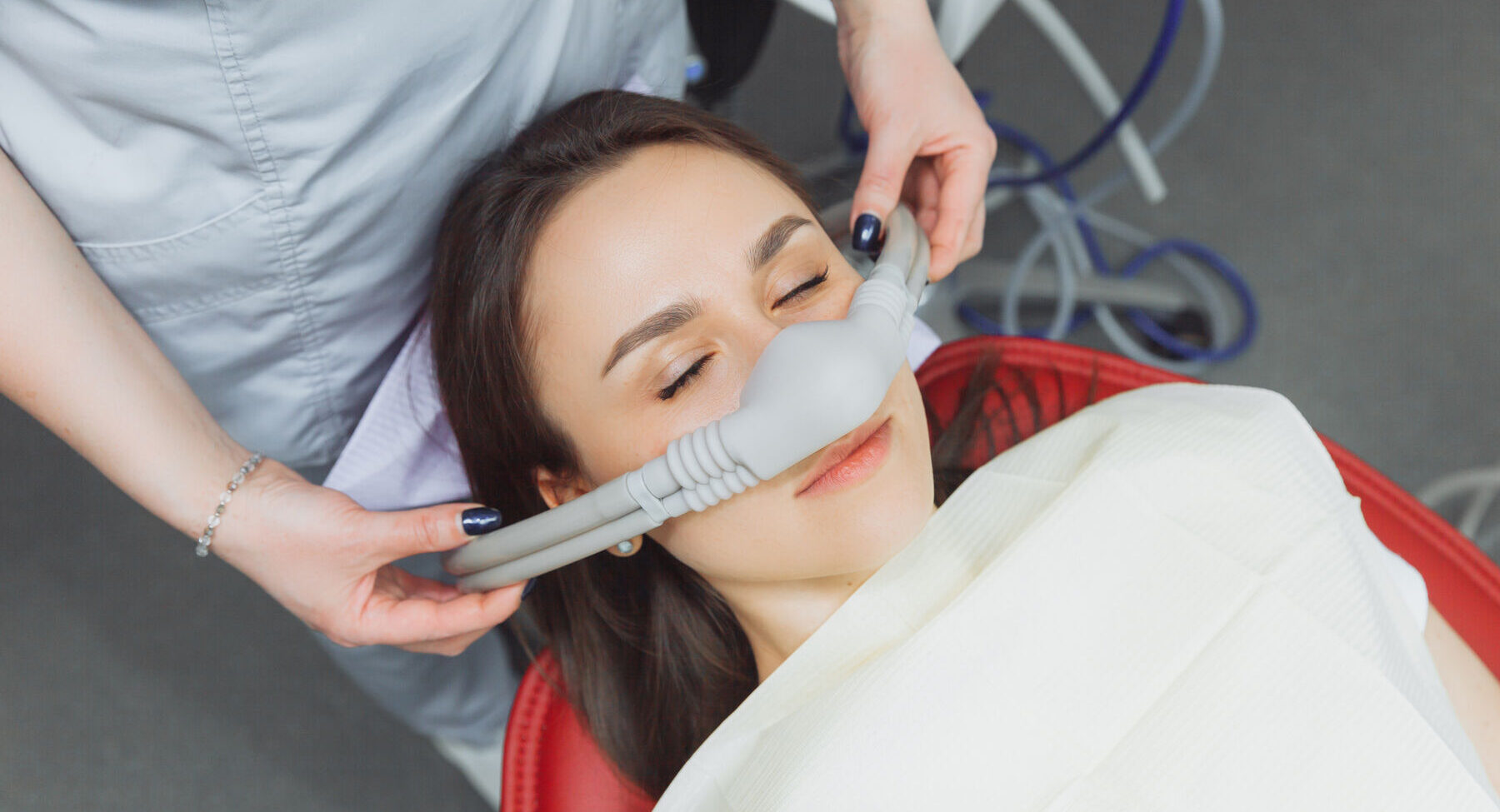
Nitrous vs Oral vs IV (What It Feels Like + Who It Helps)
Back-to-school season brings a certain kind of energy: calendars fill up, routines reset, and suddenly you’re juggling a dozen things at once. If you’ve been putting off cosmetic dentistry or dental implants because you’re nervous about treatment, August is a great time to revisit the conversation—because comfort is not a “nice-to-have.” It’s part of good care.
At McKinney-Graham Dental Arts, we meet a lot of patients who say, “I want the result. I’m just not sure I can handle the appointment.” That’s exactly where sedation dentistry can help. Here’s a clear, patient-friendly breakdown of the most common options: nitrous oxide, oral conscious sedation, and IV sedation—what they feel like, what recovery is like, and how we choose what’s appropriate.
Quick answer: sedation is a spectrum
Sedation doesn’t automatically mean “knocked out.” Think of it like levels of support:
- Nitrous (laughing gas): light relaxation, fast on/off
- Oral conscious sedation: deeper relaxation using a prescribed pill
- IV sedation: controlled, deeper sedation administered through an IV (monitoring required)
The best choice depends on your health history, anxiety level, and the complexity/length of your procedure—especially for veneers, implant placement, or longer appointments.
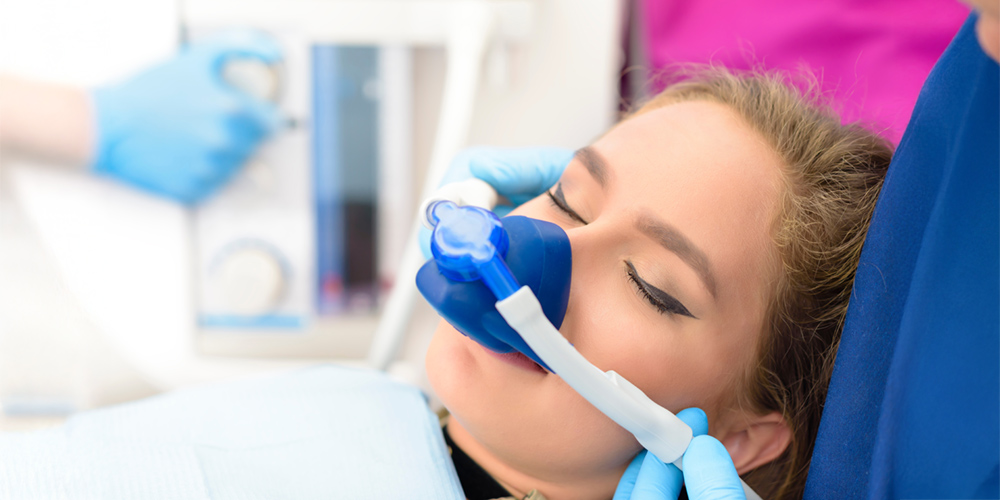
Nitrous oxide: calm, lighter, and quick recovery
Nitrous is often the easiest entry point for patients who feel nervous but still want to stay aware and responsive. Many people describe it as:
- a “floating” or “light” relaxed feeling
- less tension in the shoulders and jaw
- reduced sensitivity to sounds and sensations
Because nitrous wears off quickly once the gas is stopped, many patients can return to normal activities the same day (your dentist will confirm what’s appropriate for you). It’s a favorite option for patients who want more comfort without a big recovery window.
Best fit (often): shorter cosmetic visits, mild-to-moderate anxiety, patients who want quick recovery.

Oral conscious sedation: deeper relaxation
Oral sedation usually involves taking a prescribed medication before your appointment. You’ll still be able to respond, but you may feel very drowsy and relaxed. Many patients describe it as:
- “I didn’t care what was happening”
- time feeling faster
- less memory of details (varies by person and medication)
Because oral sedation can linger, you’ll typically need someone to drive you home and stay with you for a period afterward. Your dentist will give specific instructions based on the medication used and your health history.
Best fit (often): moderate-to-high anxiety, longer procedures, patients who want a “heavier blanket” feeling.
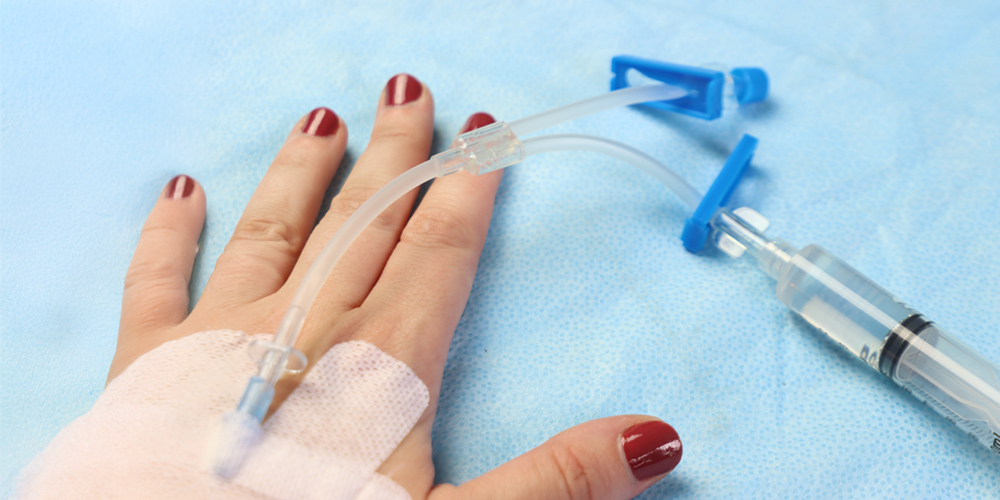
IV sedation: controlled depth for more complex needs
IV sedation is administered through an IV and is typically used for patients who need deeper sedation support. The experience is often described as:
- being very sleepy
- limited memory of the procedure
- feeling like time “skipped”
Because it’s deeper sedation, it requires careful screening and monitoring. You’ll need a driver and a recovery plan. Your dentist will also review your health history and medications carefully to decide if IV sedation is appropriate.
Best fit (often): high anxiety, complex/longer treatment, patients who have delayed care for years due to fear.
How we decide what’s appropriate
and why the questions matter
If you’ve ever felt like medical offices ask “too many questions,” here’s the truth: that’s the safety part. Sedation planning depends on things like:
- overall health conditions
- current medications and supplements
- allergies
- sleep/breathing concerns
- past anesthesia experiences
- procedure length and complexity
Sedation is not “one size fits all.” The safest plan is the one customized to you.
If you’ve been avoiding care, this is your sign
You don’t have to white-knuckle your way through treatment. If you’re considering veneers, Invisalign attachments, implant placement, or any procedure that makes you anxious, schedule a consultation. We’ll talk through your comfort level, explain your options clearly, and build a plan that feels doable.
Request An Appointment Today!
This article is general information only.
You’ll need an in-person evaluation for a recommendation on sedation options.