
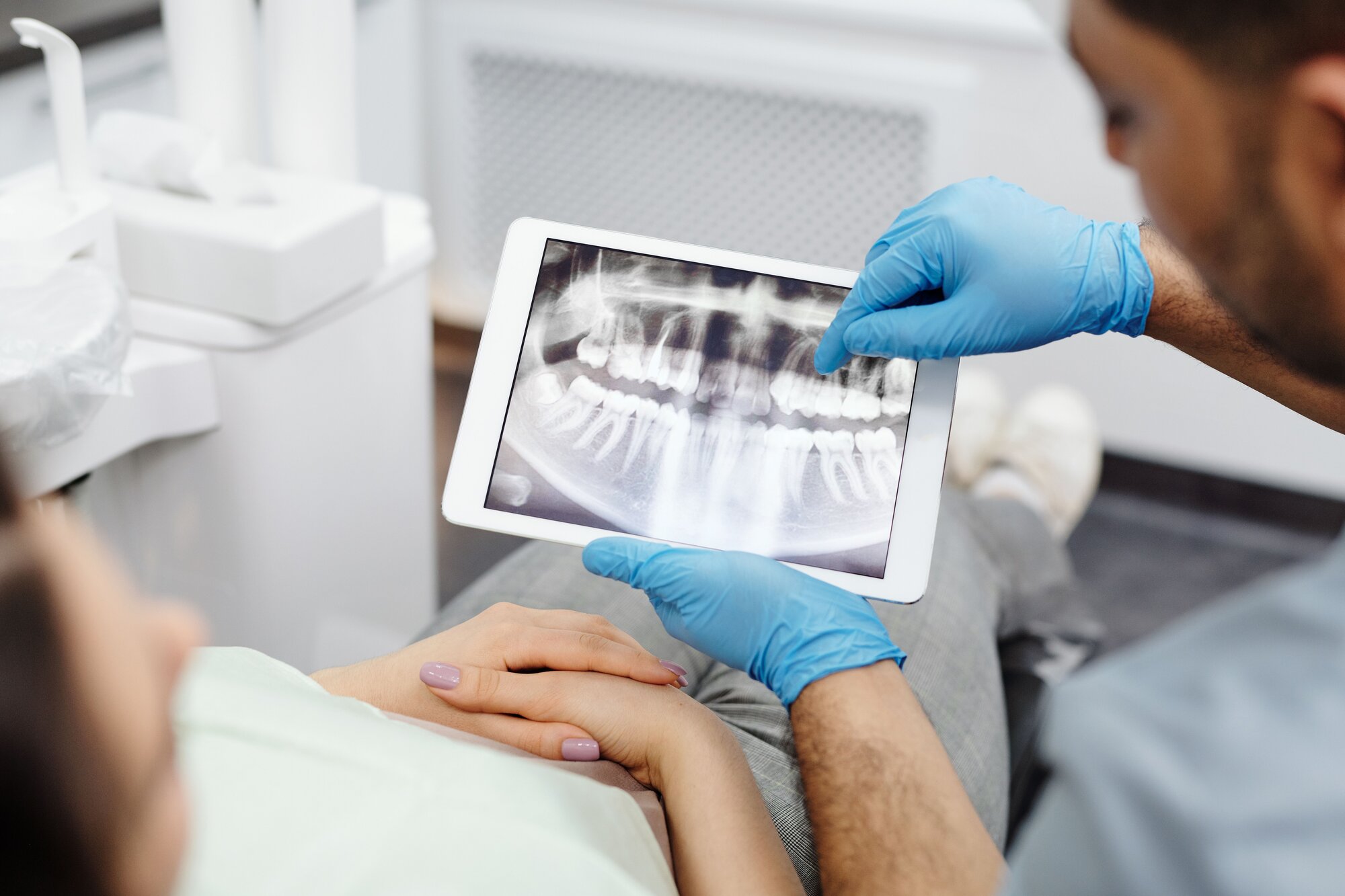
What Are Your Options?
Being told you have bone loss can make dental implants sound impossible. In many cases, though, bone loss doesn’t automatically close the door. It just means we need to take a closer look at what’s going on before we know what your options are.
And you don’t need to know whether you need a bone graft—or even what a bone graft is—before your appointment. That’s our job to figure out with you.
The Quick Answer

Dental implants need enough healthy bone around them to stay steady and secure. If you’ve lost bone, we’ll use an exam and imaging to see how much you have and where it is.
You may already have enough bone for an implant. You may need to rebuild some of it first. Or we may find that another way of replacing your tooth makes more sense.
The important thing is not to assume bone loss has already ruled you out. Once we can see what’s happening below the gums, we can give you a much clearer answer.
Why Does Bone Matter for Dental Implants?
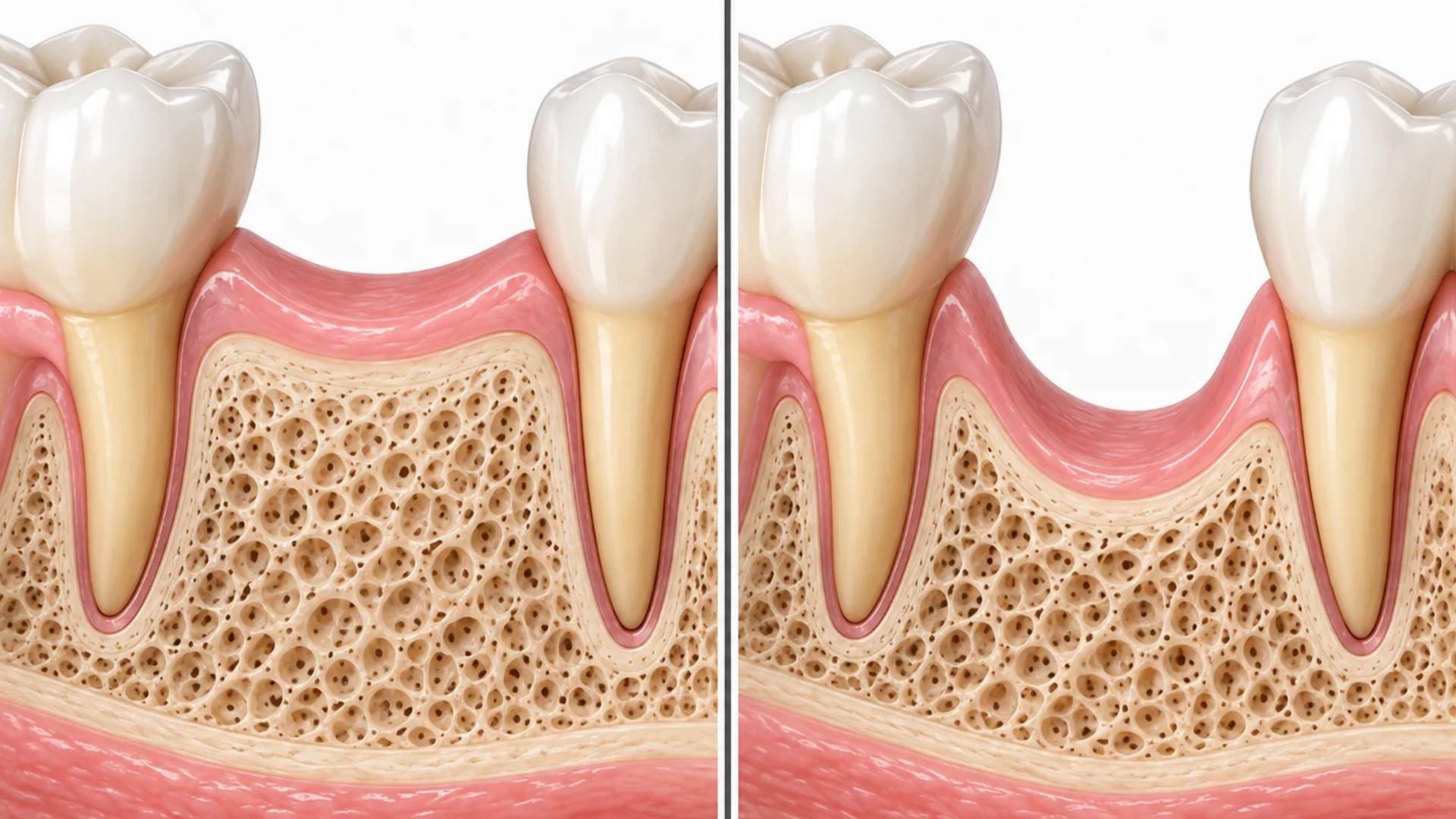
A dental implant is placed in the jaw and supports the replacement tooth or teeth above it. For the implant to stay steady, it needs enough healthy bone around it.
After a tooth is lost, the bone in that area may gradually shrink. Gum disease, an old infection, an injury, or even the natural shape of your jaw can also affect how much bone is available.
That’s why we can’t tell whether an implant will work simply by looking at the space where your tooth used to be.
How Do We Know if You Have Enough Bone?
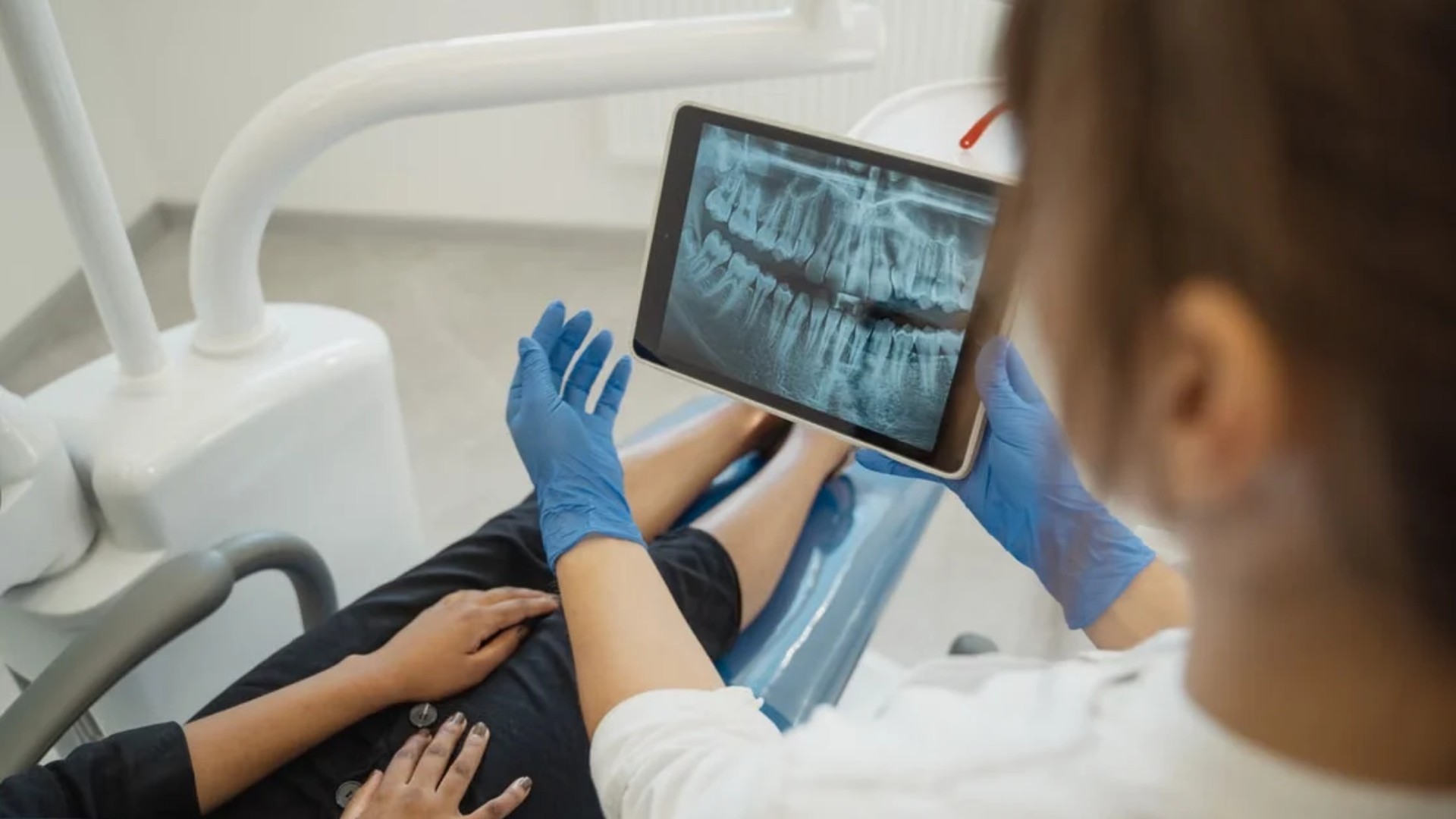
Imaging lets us see the height, width, and shape of your jawbone where an implant might be placed. It also lets us see nearby areas that matter when planning your treatment.
That way, we’re not guessing. We can see how much bone you have and determine what, if anything, needs to happen before an implant can be placed.

What Is a Bone Graft?
A bone graft is one way to rebuild an area of the jaw that doesn’t have enough bone for the implant plan we’re considering. Think of it as rebuilding the foundation an implant needs.
Having bone loss doesn’t automatically mean you’ll need a graft. If we think one would help, we’ll explain why, how it may affect your treatment timeline, and whether it could be done before or as part of your implant treatment.
What if You’ve Had Bone Loss for Years?
It’s still worth having the area evaluated. How long your tooth has been missing is only part of the picture. What matters is how much bone is there now and whether it can provide the support an implant needs.
If additional preparation is needed, we’ll explain what that would involve.
You Don’t Need to Know What Treatment You Need

Maybe you’re tired of avoiding certain foods. Maybe you don’t like the gap in your smile. Or maybe you’ve been told you have bone loss and simply want to know whether a dental implant is still possible.
We can start there.
At McKinney + Graham Dental Arts, we’ll look at the bone you have, explain anything that may need attention first, and walk you through the options that make sense for your situation.
Bone loss may change the plan, but you don’t have to figure out that plan on your own. You can start with a conversation and leave with a clearer idea of what comes next.
Bone Loss Doesn't Mean No Options
Dental implants may still be possible, even with bone loss. Let McKinney + Graham Dental Arts help you explore your options.
Request An Appointment Today!
This article is general information only.
You’ll need an in-person evaluation for a recommendation on sedation options.