
Which Feels Better (and Looks More Natural)?
Summer is for eating. Cookouts, corn on the cob, road-trip snacks, and the kind of meals where you don’t want to worry about a missing tooth—or a replacement that doesn’t feel stable.If you’re replacing a missing tooth, two common options are a dental implant or a dental bridge. Both can restore your smile. Both can look natural. The best choice depends on your mouth, your bite, and what you want the solution to do long-term.
Quick answer: the main difference
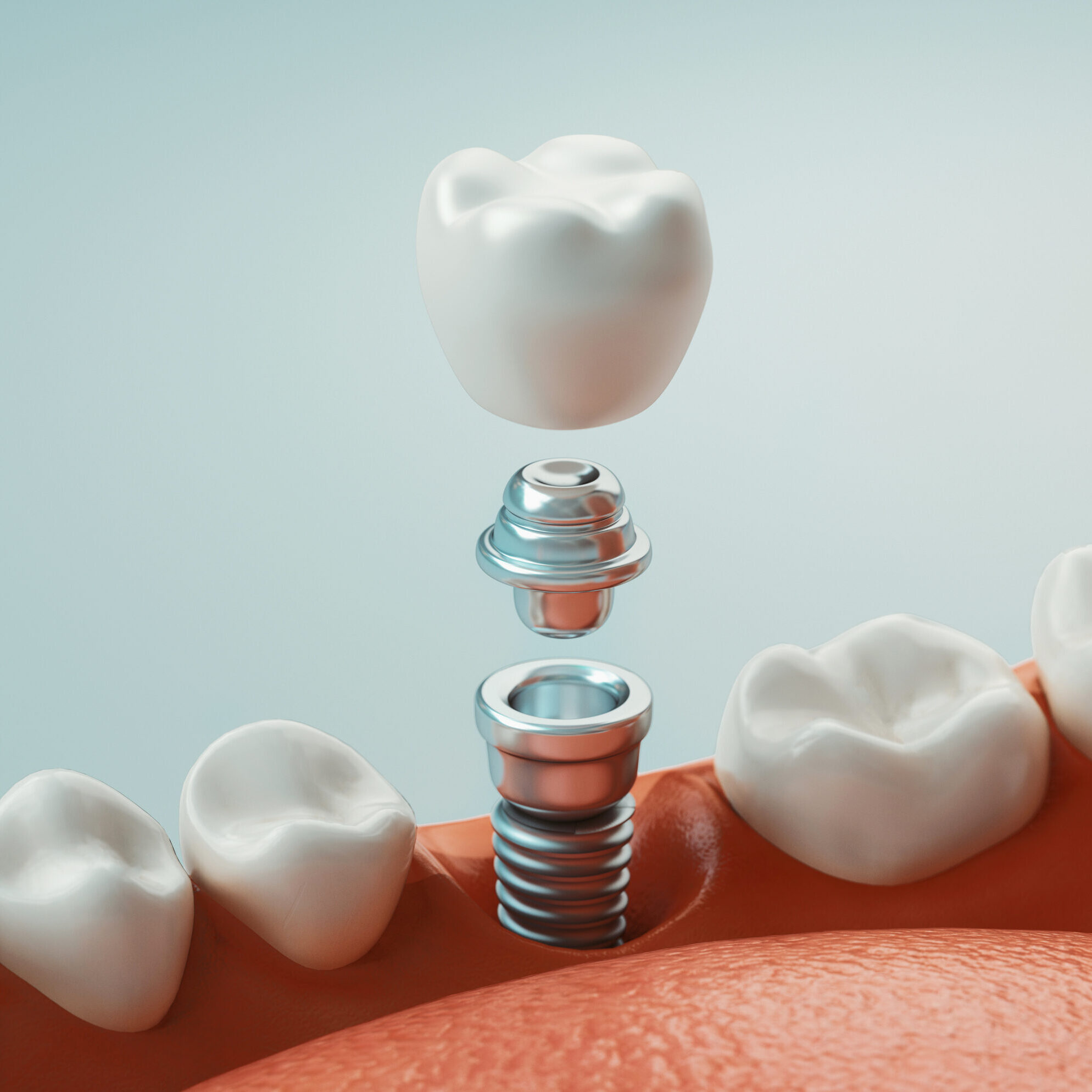
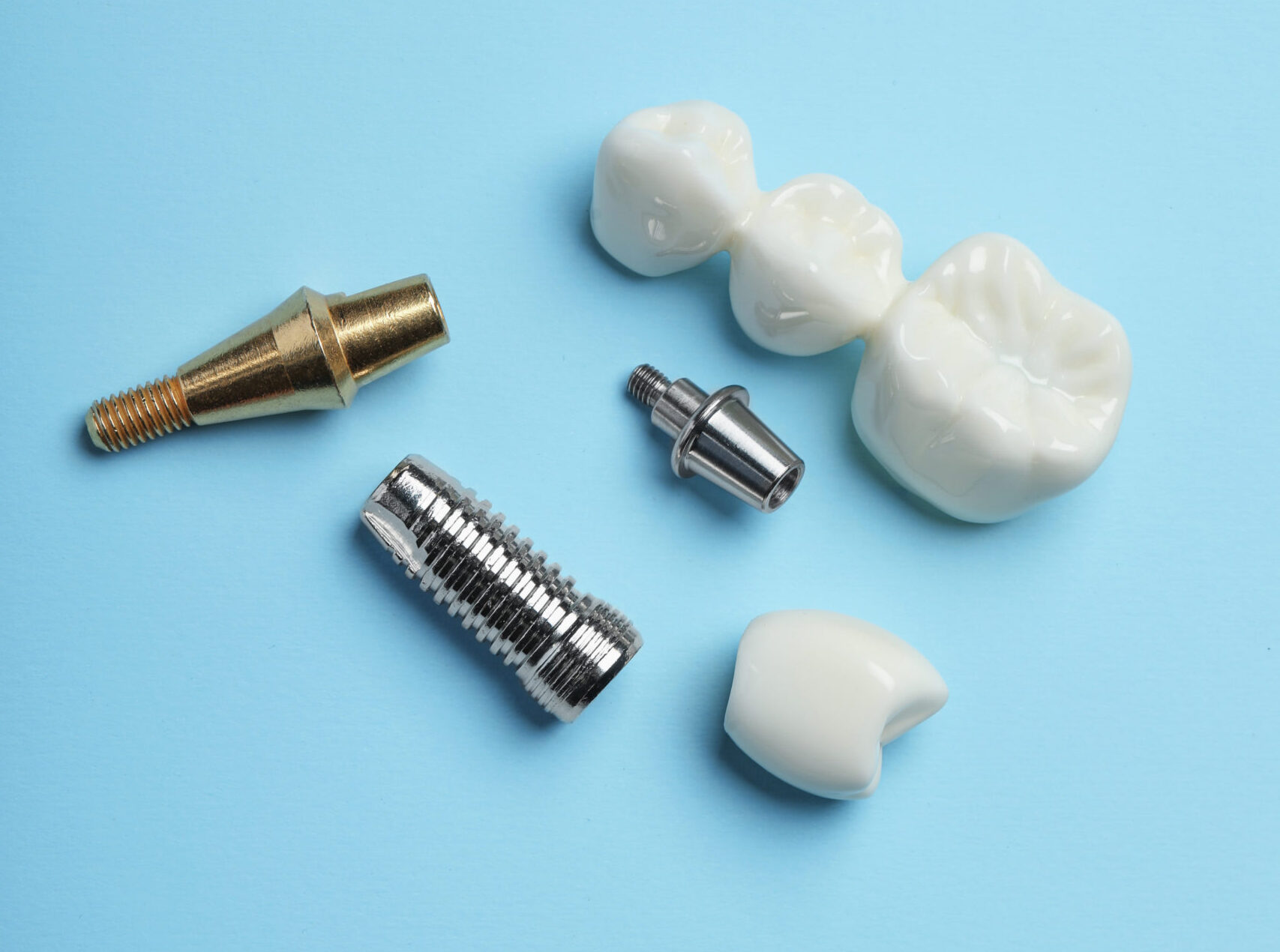
A dental implant replaces the root of a missing tooth. A crown is then attached to the implant to create a natural-looking replacement tooth.
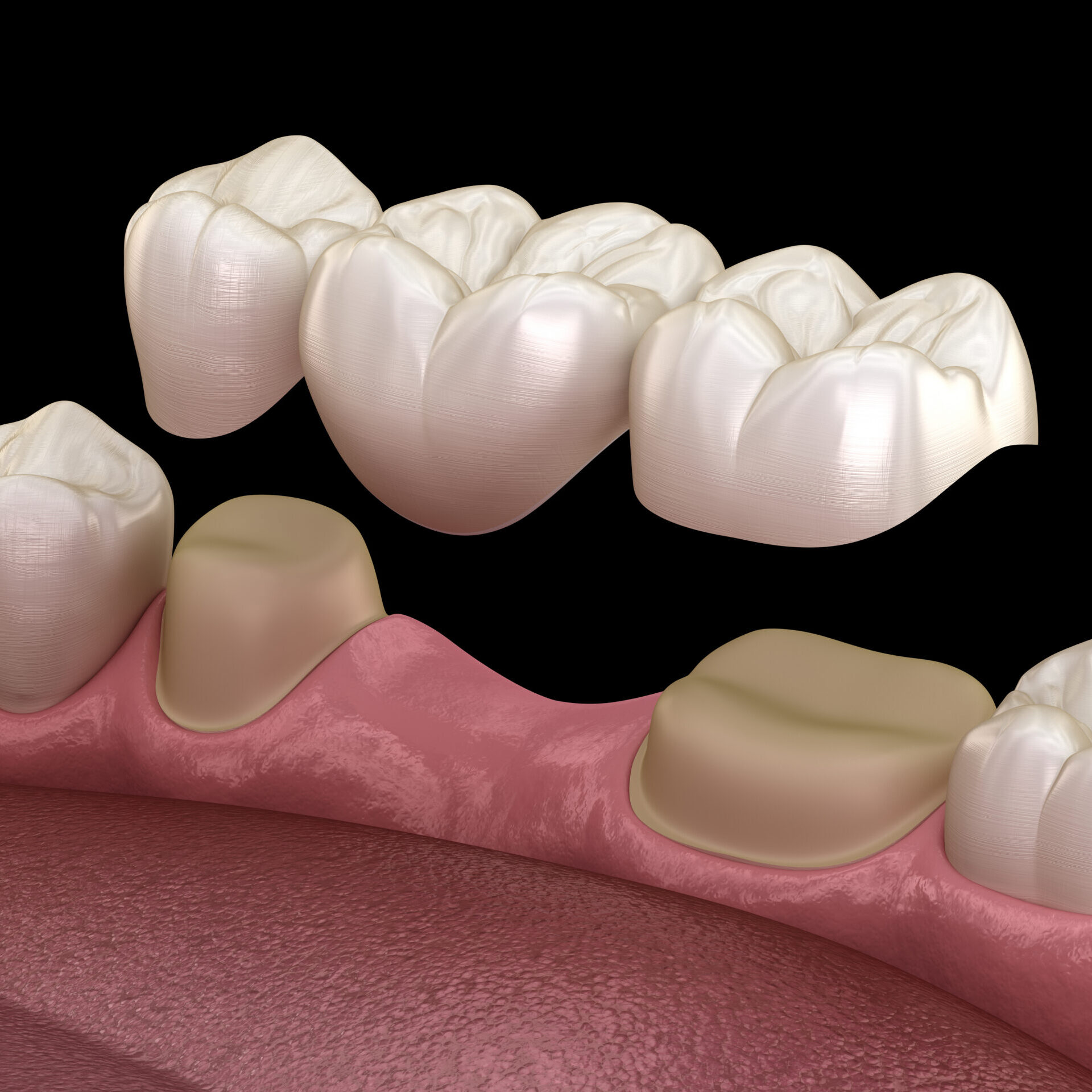
A dental bridge replaces a missing tooth by using neighboring teeth for support, depending on the bridge design. In many cases, the teeth next to the space are part of how the bridge is anchored.
Appearance and feel: what most patients notice
When done well, both options can look great. The “feel” often comes down to stability and how your bite loads the replacement.
- Implants can feel very similar to a natural tooth because they’re anchored in bone.
- Bridges can feel stable too, but they rely on the supporting teeth and the bridge design.
If you’re missing a tooth in an area that shows when you smile, we also plan the gumline appearance and how the restoration blends with surrounding teeth. Natural results come from details: shade, shape, and proportion—not just “white.”

Impact on nearby teeth and daily cleaning
This is one of the biggest practical differences.
With an implant, you’re replacing the missing tooth without relying on neighboring teeth for support. With a bridge, cleaning and long-term maintenance depend on the design and the surrounding teeth.
No matter which option you choose, daily home care matters. A replacement tooth should make your life easier—not turn into a recurring problem because it’s difficult to keep clean.
Timeline and maintenance differences (high level)
Both options require planning and evaluation. In general:
- A bridge may be completed on a more direct schedule once your dentist confirms it’s appropriate.
- An implant often involves a placement appointment and a healing phase before the final crown is attached.
Maintenance is not optional for either option. Regular dental visits help ensure the surrounding gums stay healthy and the restoration continues to fit and function properly.
Who tends to be a good candidate?

Many people assume the “best” option is the same for everyone. It isn’t.
Implants can be a strong option when there’s healthy bone support and the patient is a good candidate after evaluation. Bridges can be a great option in certain cases too—especially when neighboring teeth already need restoration work, or when anatomy and bite considerations make it the better fit.
Your dentist will evaluate:
- your smile goals (function vs aesthetics vs both)
- gum health and bone support
- the condition of neighboring teeth
- your bite forces (including clenching/grinding)
- the location of the missing tooth (front vs back)
The smartest next step: compare both options with an exam
If you’re deciding between an implant and a bridge, a quick online quiz won’t do it. You deserve a plan built around your mouth.
Schedule a consultation at McKinney-Graham Dental Arts. We’ll evaluate the space, discuss your goals, and explain the options clearly so you can choose with confidence.This article is general information only. For personal guidance, you’ll need a dental exam and imaging.