
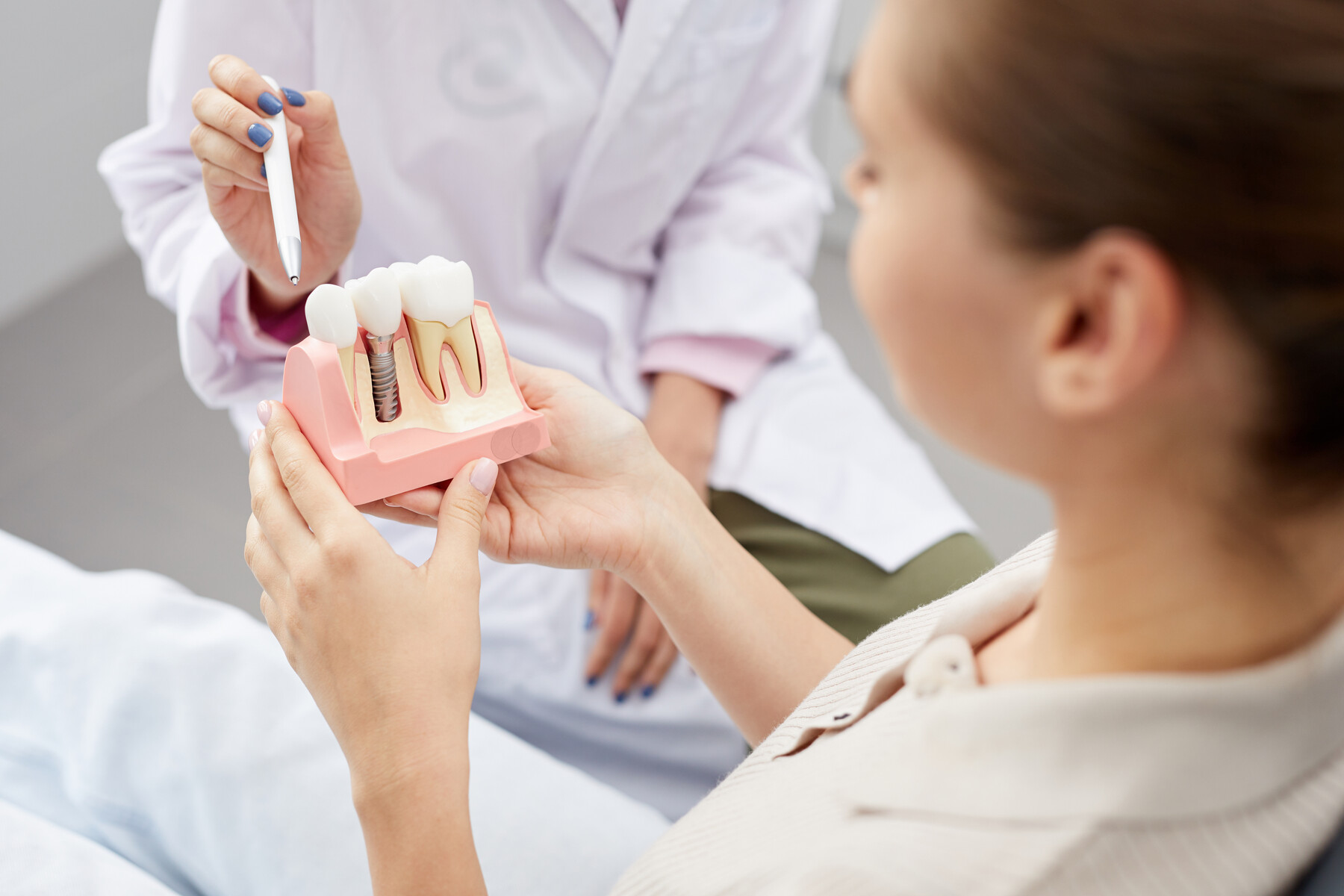
From Missing Tooth to Final Crown (Step-by-Step)
May brings graduations, weddings, and a packed calendar of “big moments.” If you’ve been hiding a missing tooth in photos, avoiding certain foods, or feeling like your smile isn’t you anymore, dental implants can be a life-changing option.But here’s the part most people don’t realize at first: implants are a process, not a single appointment. And that’s a good thing—because a well-crafted result depends on planning, healing, and getting every detail right.

Quick answer: why implants take time
A dental implant replaces the root of a missing tooth. Once it’s placed, the body needs time to heal so the implant becomes stable in the jawbone (a process often called osseointegration). After that, a custom crown is attached to restore the look and function of a natural tooth.Some patients can have a temporary tooth option while healing, depending on the situation. The best plan is always the one built for your anatomy and goals.
Step-by-step: what the implant process usually includes
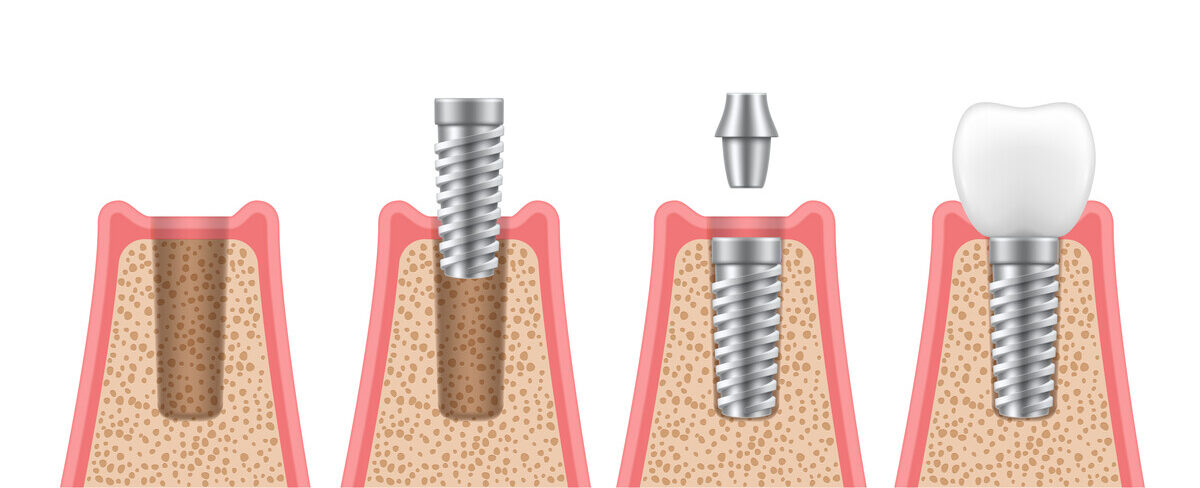
While every case is unique, most implant journeys follow this general sequence:
1) Consultation and planning
We evaluate your mouth, take appropriate imaging, and confirm whether an implant is the best option. This is where we plan the shape, position, and final look—especially if the implant is in the smile zone.
2) Preparation (only if needed)
Sometimes an implant is placed where a tooth has already been missing. Sometimes a tooth needs to be removed first. In certain cases, additional preparation is recommended to create the healthiest foundation.
3) Implant placement
The implant is placed in the jawbone. Most patients are surprised by how manageable the appointment feels when it’s properly planned and comfortably performed. If you’re anxious, ask about comfort options.
4) Healing + integration
This is the “quiet phase” where the implant becomes stable. You may not feel much happening—but this step is one of the most important parts of long-term success.
5) Final crown placement
When healing is complete, we place a custom crown designed to match your natural teeth in shade, shape, and function.
What can change the timeline?
Implant timing varies because people vary. Factors that can affect the sequence include:
- the condition of the bone and gum tissue
- whether there was infection at the site
- overall health considerations (your dentist will review these)
- bite forces, clenching/grinding, or other functional factors
- whether the implant is in a highly visible area that requires extra design work
This is why the best answer to “How long will it take?” starts with an evaluation.

What will I have while I’m healing?
A common concern is, “Am I going to have a gap?” In many cases, there are temporary tooth options that can help you feel confident while the implant heals. What’s appropriate depends on the location of the tooth, the stability needed, and your bite.
What to expect after implant placement
Most patients report mild to moderate soreness for a short period after placement. You’ll receive clear after-care instructions, and we’ll tell you what’s normal and what should be evaluated.
Call promptly if you experience significant swelling, worsening pain, fever, or anything that feels loose or unstable.

Ready to replace a missing tooth with confidence?
Implants are designed to look natural and function comfortably—so you can smile, speak, and eat without second-guessing. If you’re considering dental implants in Hickory or the surrounding area, schedule a consultation with McKinney-Graham Dental Arts. We’ll evaluate your situation and build a plan that fits your smile goals.
This article is general information only. You’ll need an exam for a personalized implant recommendation.