
Why It Matters for Veneers, Whitening, and Implants
September is a reset month. Summer settles down, routines return, and a lot of people start thinking, “Okay—this is the fall I finally take care of my smile.”
If you’re considering whitening, bonding, veneers, Invisalign, or dental implants, there’s one detail that deserves attention before you jump into cosmetics:
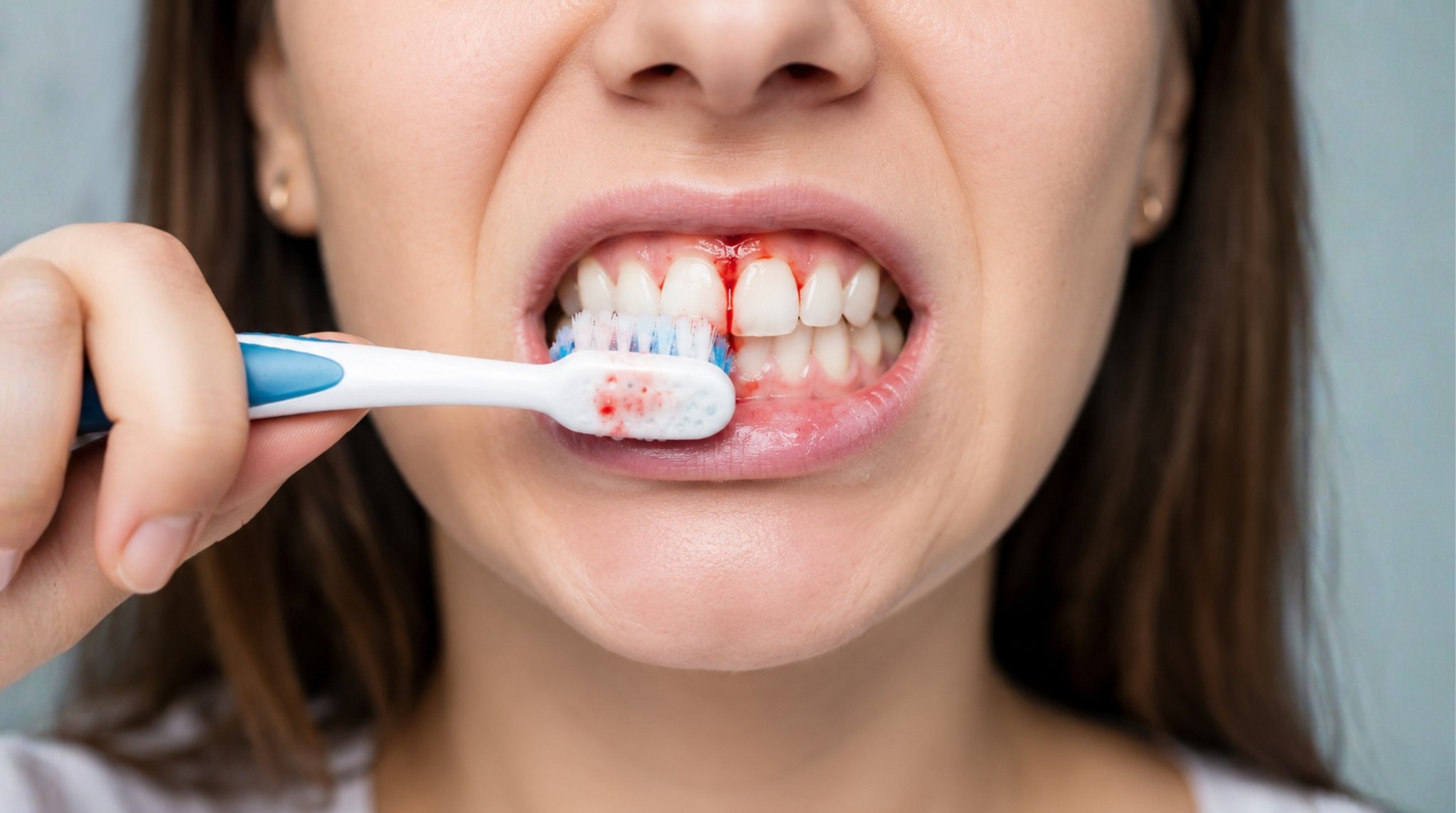
Bleeding Gums
It’s easy to dismiss—especially if it’s mild or “only when I floss.” But bleeding is your body’s way of saying something’s irritated. And when you’re investing in a well-crafted smile, gum health matters more than most people realize.
Quick answer: bleeding is a signal, not a personality trait
Gums shouldn’t bleed constantly. Occasional irritation can happen (especially if you floss after a long break), but persistent bleeding is commonly linked to inflammation—often from plaque buildup at the gumline.
The goal isn’t panic. The goal is clarity. Bleeding is a reason to get evaluated, not a reason to guess.

Common causes (the non-scary list)
There are a few frequent reasons gums bleed:
- brushing too aggressively or using a hard-bristle brush
- inconsistent flossing (then flossing “hard” once in a while)
- buildup along the gumline that irritates the tissue
- gum inflammation that needs professional attention
- irritation around dental work margins (where crown/veneer meets the gum)
If you have an implant, bleeding around the implant area should be evaluated—because implants rely on healthy surrounding tissue for long-term stability.
Why gum health affects cosmetic results
Cosmetic dentistry isn’t just about tooth color and shape. It’s about how the entire smile looks together—teeth, gums, and proportions.
Here’s how inflamed gums can affect common cosmetic treatments:
Whitening:
If your gums are irritated, whitening products can sting and cause more discomfort. A healthy foundation makes whitening easier and more comfortable.
Bonding and veneers:
The edges of cosmetic work meet the gumline. If gums are inflamed or bleeding, it can affect comfort, cleanliness, and the overall look. Healthy, calm gums create a cleaner, more natural finish.
Invisalign:
Aligners are easier to keep clean when gums are healthy. If gums are inflamed, plaque and irritation can build up faster—especially if hygiene is inconsistent.
Implants:
Implants don’t get cavities, but the tissue around them still needs to stay healthy. Bleeding can be a sign of inflammation that deserves a closer look.
What an exam checks (and what we’re looking for)
When you come in for an evaluation, we’re looking for the “why” behind the bleeding. That can include:
- gum inflammation levels and buildup
- cleaning technique (sometimes a small adjustment fixes a lot)
- areas that trap plaque easily
- the fit/edge of existing restorations
- implant tissue health (if applicable)
Once we know the cause, we can recommend a plan—sometimes it’s improved home care, sometimes it’s a professional cleaning and follow-up. Either way, it’s much better than hoping it stops.

What you can do right now
without guessing or overcorrecting
- Switch to a soft-bristle toothbrush and brush gently at the gumline.
- Floss daily, but don’t “saw” aggressively—gentle, consistent technique works best.
- Don’t stop flossing because it bleeds. If you stop, plaque stays and inflammation often continues.
- Schedule an evaluation if bleeding persists, worsens, or is localized around an implant or dental work.
Get the foundation right, then craft the smile
If you’re planning cosmetic improvements this fall, gum health is part of the plan—not a separate issue. Schedule an evaluation at McKinney-Graham Dental Arts. We’ll help you get your gums healthy so your cosmetic results look cleaner, brighter, and more natural.
Request An Appointment Today!
This article is general information only.
You’ll need an in-person evaluation for a recommendation on sedation options.